
The psychology behind risk understanding gambling behavior in casinos
The Nature of Risk in Gambling
The concept of risk is intrinsic to the experience of gambling in casinos, as individuals willingly confront uncertainties in the hopes of achieving favorable outcomes. This engagement with risk is underpinned by psychological factors, such as thrill-seeking behavior and the pursuit of rewards. For those interested in learning more, our website features insights including https://plinko-casino-games.com/ regarding various game mechanics, winning strategies, and tips for managing bankroll effectively. Gamblers often perceive risk as a challenge, which can lead to heightened arousal and excitement, compelling them to continue playing despite potential losses.
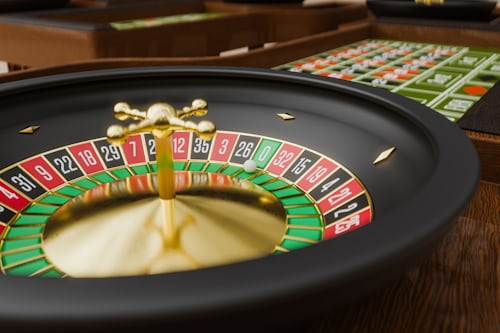
Additionally, the perception of risk in gambling varies significantly among individuals. For some, the thrill of taking chances can be intoxicating, creating an allure that draws them into extended gameplay. Others may approach gambling with a more calculated mindset, weighing potential rewards against the inherent risks involved. This diversity in risk perception highlights the complex interplay of psychological elements that influence gambling behavior in casinos.
The interplay of cognitive biases further complicates risk understanding in gambling contexts. Many players may exhibit overconfidence in their abilities, leading them to underestimate risks and overestimate potential winnings. This cognitive distortion can result in persistent gambling behavior, even when faced with accumulating losses. Understanding these psychological nuances is essential for grasping why individuals engage in gambling despite the inherent risks involved.
The Role of Emotions in Gambling Behavior
Emotions play a pivotal role in influencing gambling behavior within casinos. The exhilaration of winning can evoke feelings of euphoria, while losses may lead to frustration or despair. These emotional responses significantly shape decision-making processes, prompting gamblers to either chase their losses or maintain a winning streak. The rollercoaster of emotions can create a psychological environment where rational thinking is overshadowed by the desire to recapture lost stakes.
The phenomenon known as “loss aversion” comes into play here, where individuals exhibit a stronger emotional reaction to losses than to equivalent gains. This psychological bias can compel players to engage in riskier behavior as they attempt to recover from financial setbacks. Consequently, the emotional highs and lows associated with gambling can perpetuate a cycle of continued play, even when it may not be financially prudent.
Moreover, social factors can amplify emotional responses in gambling settings. Interactions with other players, the atmosphere of the casino, and even the design of the games can evoke strong feelings. The communal experience of gambling, whether in celebratory wins or collective losses, can reinforce the emotional engagement that keeps individuals returning to the gaming floor, despite the risks involved.
The Influence of Cognitive Biases on Gambling Decisions
Cognitive biases significantly shape how gamblers assess risk and make decisions in casinos. One common bias is the “gambler’s fallacy,” where players believe that past outcomes influence future results. For example, someone might think that if a slot machine has not paid out in a while, it is “due” for a win. This misjudgment can lead to increased risk-taking behavior, as gamblers may continue to play in anticipation of an imminent payout.
Another cognitive bias is the illusion of control, where gamblers overestimate their ability to influence outcomes in games of chance. This belief can lead to poor decision-making and a greater willingness to engage in high-stakes bets. For instance, a player might believe that their choice of numbers in a lottery somehow increases their chances of winning, despite the random nature of the game.
Understanding these cognitive biases is essential for both gamblers and casino operators. For players, awareness of these mental traps can lead to more informed decision-making and potentially healthier gambling habits. For casinos, recognizing how biases influence player behavior can inform strategies that promote responsible gambling practices and help create a supportive environment for players.
The Social Environment of Casinos
The social environment of casinos plays a critical role in shaping gambling behavior. The vibrancy of a casino, filled with sounds of coins clinking and cheers from fellow players, fosters a unique communal atmosphere. This social aspect can enhance the excitement of gambling, encouraging individuals to participate in high-risk activities while surrounded by others who are also engaged in the experience.
Moreover, peer influence can significantly affect an individual’s gambling choices. People are often swayed by the behavior of their companions, leading to riskier betting as they seek to match or exceed the actions of those around them. This social contagion effect can amplify the emotional highs and lows of gambling, reinforcing the cycle of risk-taking behavior.
Additionally, casinos often employ strategies to enhance social interaction among players, such as hosting tournaments or offering VIP experiences. These elements can further entrench the social dynamic within the gaming space, making it more challenging for individuals to maintain control over their gambling habits. Understanding this social context is essential for comprehending the broader picture of gambling behavior in casinos.

Insights and Resources on Gambling Psychology
For those seeking to delve deeper into the psychology of gambling and its associated risks, numerous resources are available to provide valuable insights. Educational platforms and forums dedicated to gambling behavior can offer information on responsible gambling practices, helping individuals understand their own psychological tendencies and risk perceptions. These resources aim to empower players to make informed decisions and cultivate a healthier relationship with gambling.
Furthermore, awareness programs and counseling services exist for individuals struggling with gambling-related issues. These services provide professional support, focusing on cognitive-behavioral strategies to help mitigate the impacts of cognitive biases and emotional influences. By engaging with these resources, players can better navigate the complexities of gambling psychology and develop strategies for responsible gaming.
Our website is committed to providing comprehensive information about gambling behavior, risk assessment, and tips for effective bankroll management. We aim to equip both new and seasoned players with the knowledge they need to enjoy the gaming experience while maintaining control over their gambling habits. By understanding the psychology behind gambling, players can make more informed choices and enhance their overall enjoyment of the casino environment.